Our priorities
The Mérieux Foundation combats the deadliest infectious diseases, such as tuberculosis and acute respiratory infections, at international level. It prioritizes the fight against antimicrobial resistance and is also committed to addressing the threat of emerging and re-emerging pathogens.
Antimicrobial resistance (AMR) is already responsible for 1.14 million deaths annually, and it has been accelerating since the 2000s. According to the World Health Organization, AMR is one of the top ten global public health threats.
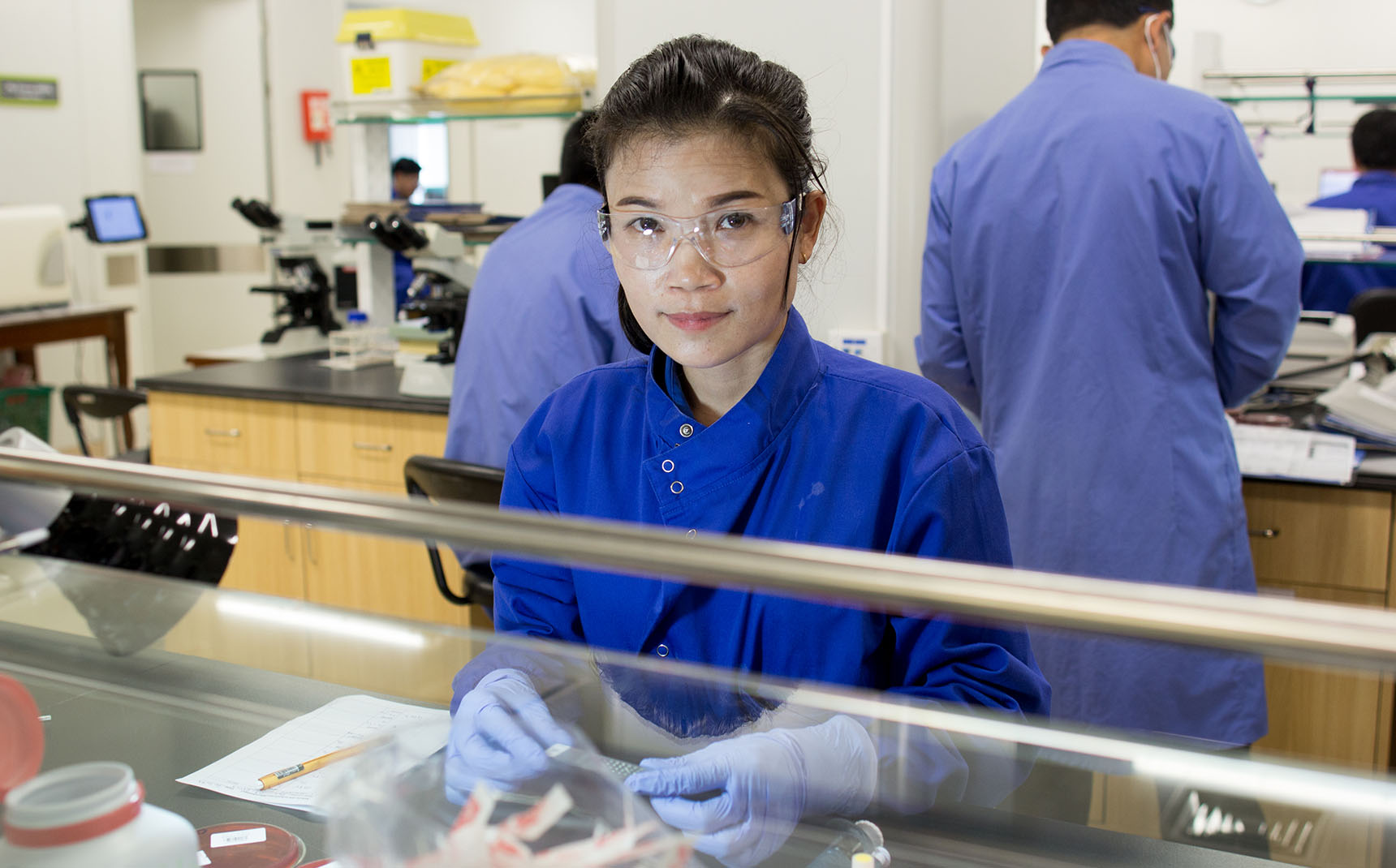
The overuse or misuse of antibiotics and other antimicrobials promotes the emergence of drug-resistant pathogens. Its devastating consequences undermine centuries of medical advancements, leading to prolonged and more difficult-to-treat diseases, increased treatment costs, and heightened risks in routine medical procedures.
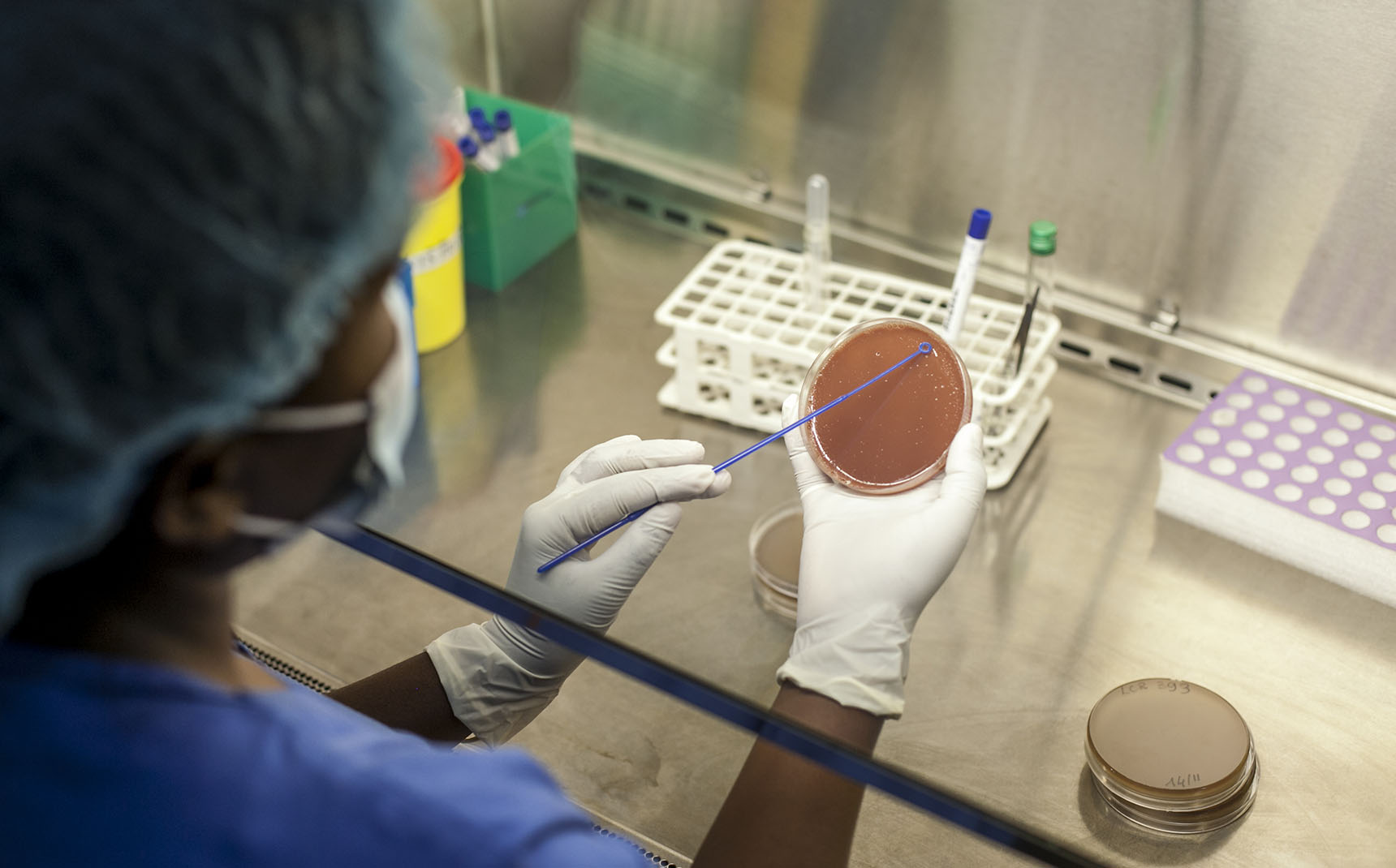
Since AMR is a global phenomenon affecting all living beings, addressing it requires a multidisciplinary approach. Embracing the One Health approach, the Mérieux Foundation initiates and participates in numerous collaborative surveillance projects to better understand its evolution and identify ways to slow it down. On the ground, we strengthen diagnostic laboratory capacities and connect them at national and international levels. By enabling them to conduct bacterial culture and antibiotic susceptibility tests, these laboratory networks improve patient care and generate essential data for AMR surveillance. We also provide training to clinicians on the appropriate use of antibiotics.
These initiatives enhance data collection and provide critical insights into the impact of national health policies. By strengthening the capacities of healthcare stakeholders and supporting countries in developing their action plans, we contribute to building more resilient healthcare systems against the AMR threat.
deaths per year are attributed to antimicrobial resistance
By 2050, this number could reach
deaths