Context
Complex emergency situations require careful monitoring of alert systems and coordinated analysis and management of epidemic responses to reinforce control over emerging and re-emerging infectious diseases.
In response to this need, the Mérieux Foundation and Epiconcept have developed an intensive course designed to boost the skills of French-speaking epidemiologists working in human, animal, and environmental health.
Organized every year at Les Pensières Center for Global Health, EpiCourse is based on a “One Health” approach and aims to give public health professionals the tools they need to intervene effectively in emergency situations.
Objective
Preparing epidemiologists working in human, animal, and environmental health to design, implement, and coordinate multidisciplinary responses to epidemics and complex emergencies, while creating a community to reinforce surveillance and responses based on the “One Health” approach.
Activities
The course program is developed by a scientific committee consisting of representatives of key institutions such as Epiconcept, the Mérieux Foundation, Hospices Civils de Lyon, CEPI, GAVI, Institut Pasteur, WHO, WAHO, and Nazi Boni University.
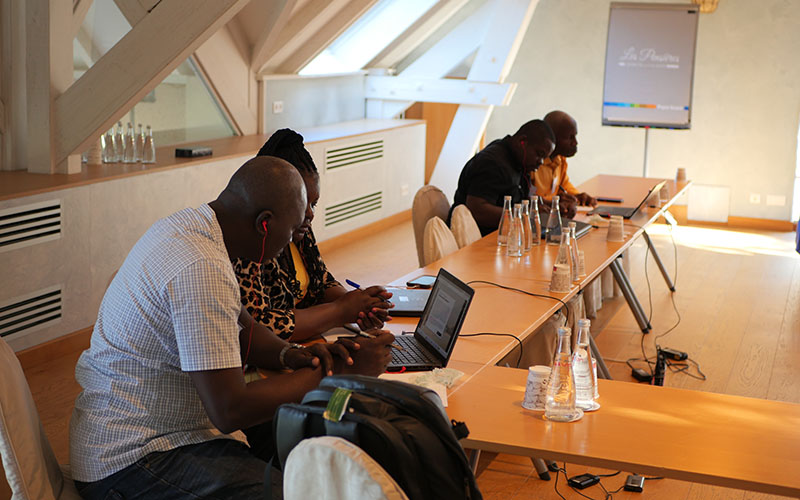
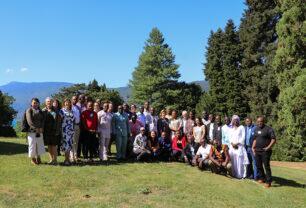
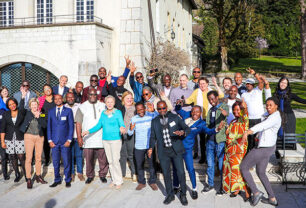
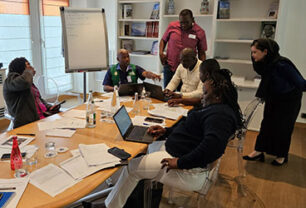
The course lasts five days and takes around 20 participants through a structured program of interactive sessions, case studies, and practical work.
The themes addressed include the implementation of field surveys, epidemiological surveillance, data analysis, communication in crisis situations, the use of mobile technologies to collect data, and the role of diagnostics in the detection and confirmation of pathogens.
At the end of the course, participants leave with a network of committed peers and a qualification certifying that they have completed the course.