Our objectives
 Promoting applied research and innovation
 The ability to fight infectious diseases effectively depends on the quality of health systems, from state-of-the-art laboratories to health centers. To advance public health, the Mérieux Foundation promotes research and innovation in the field, both nationally and internationally, to address the needs and constraints of low- and middle-income countries.
Access to applied research and surveillance remains limited in low- and middle-income countries. Often on the front line of emerging epidemics, these countries face many challenges in developing the long-term scientific capacity needed to produce reliable data, detect epidemic outbreaks early, and respond to them effectively.
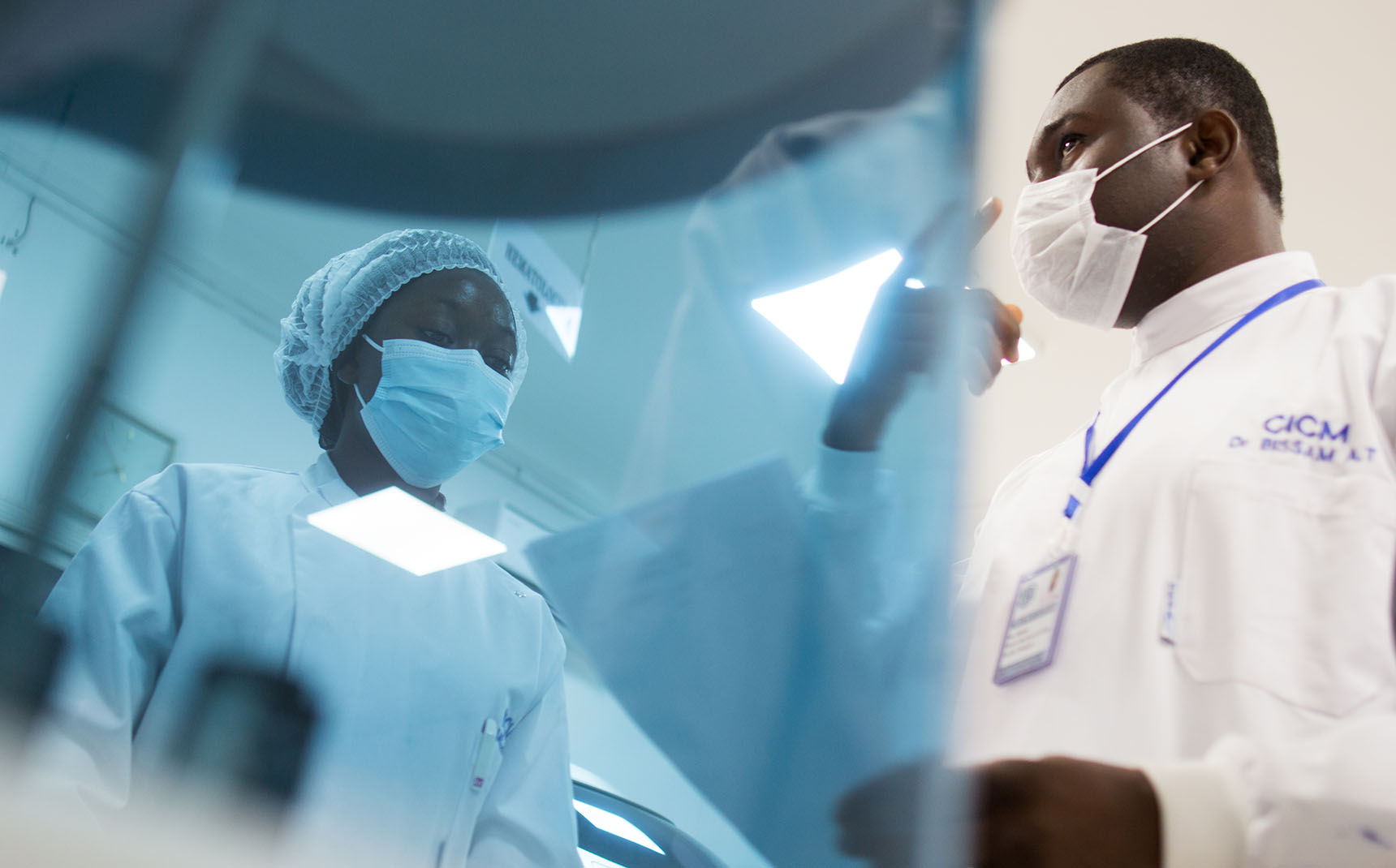
The Mérieux Foundation is convinced that universal access to diagnostics and treatment also depends on research and innovation: developing tests that are less invasive, faster and better suited to local needs and resources, training research teams on specific and cutting-edge techniques, experimenting with new ways of working with populations to prevent infections, etc. This is why we prioritize fundamental initiatives, such as:
In concrete terms, our commitment involves building outstanding infrastructure dedicated to research and training – the Rodolphe Mérieux Laboratories – which are then transferred to local health stakeholders.
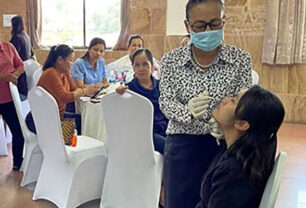
We also take part in training field research teams, and set up collaborative research programs to investigate infectious disease issues that directly affect low- and middle-income countries.
This support enables local institutions and scientists to define, conduct, and lead research topics based on their own public health priorities, which may be very different from the themes of international programs.
We support the field laboratories in establishing strong links with centers of expertise in France, such as the French national agency for food, environmental, and occupational safety (Anses) on antimicrobial resistance, the Hospices Civils de Lyon on tuberculosis, and the VirPath laboratory on acute respiratory infections.
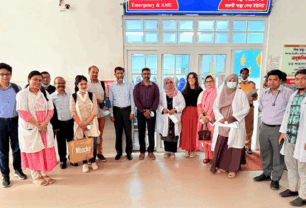
Through the GABRIEL network, we help to coordinate applied research around the world and strengthen collaboration between countries.
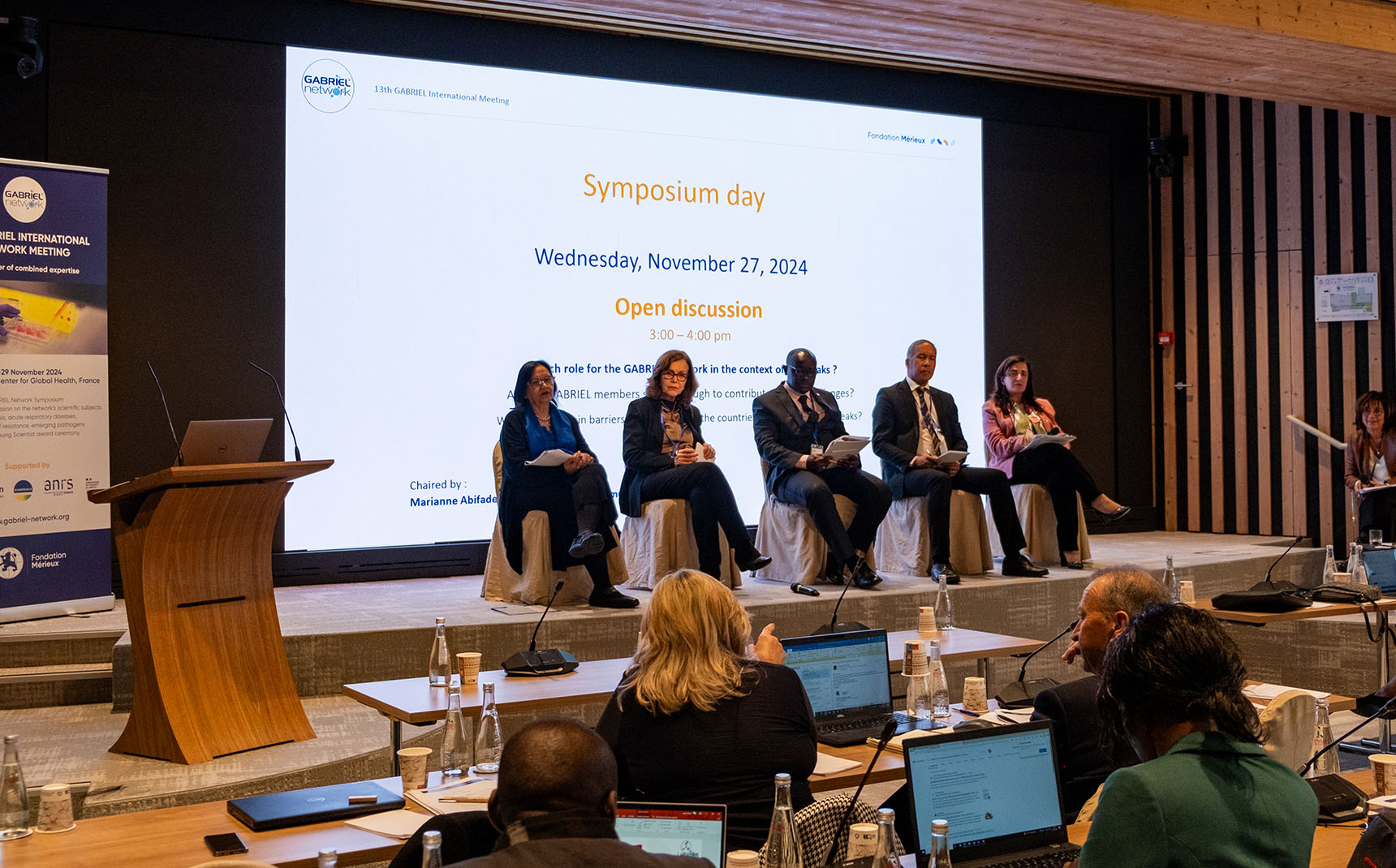
The GABRIEL network, created and coordinated by the Mérieux Foundation, links more than 20 laboratories in 16 countries to strengthen local and regional responses to infectious diseases through collaboration, research, and capacity building.
It brings together research units affiliated with universities, hospitals, and NGOs to address major public health threats.
The network’s mission is to empower scientists, through collaboration and capacity building, to collectively address research challenges, generate high-quality data, gain visibility, and access international partnerships and funding opportunities.
We support the network by encouraging discussions and connections between advanced laboratories in low- and middle-income countries, such as the Rodolphe Mérieux Laboratories. GABRIEL’s research unit members develop collaborative studies, transfer technologies, organize training courses, and share their experiences. Together, they improve infectious disease surveillance and research capacity on a global scale.
By connecting scientists and laboratories across continents, GABRIEL fosters a community of experts able to generate data and recommendations where they are most needed.
At the interface between researchers, public health institutions, and communities, we work to reinforce access to infectious disease diagnostics and prevention by building concrete links between the innovation process and needs and problems on the ground.
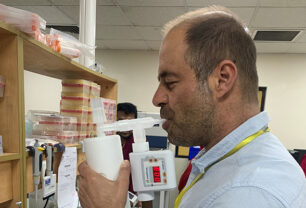
Innovation can compensate for the absence of infrastructure, equipment, or qualified personnel by bringing testing closer to the population. Through operational research, we evaluate the performance of innovations in real-world conditions in low- and middle-income countries, particularly to address unmet diagnostic needs. Our research projects allow us to measure their accuracy, feasibility, acceptability, and cost effectiveness.
We believe that rapid, affordable, and non-invasive tests, available at primary care centers, can complement robust, well-managed national laboratory systems to combat infectious diseases at all levels.
Our goal is to act as a catalyst for scaling up diagnostic innovations and as an intermediary between funders, industrial and institutional partners, and the stakeholders in national health systems, from laboratories to national programs, including hospitals and health ministries.
Our teams and local partners weigh the proposed innovations against laboratories’ real needs and methods, evaluating their relevance and effectiveness in screening for and monitoring infectious diseases such as tuberculosis. Depending on the specific needs and problems of each country, these assessments may also examine the most appropriate vaccine responses and formulate recommendations for local authorities on how to develop suitable strategies, particularly for surveillance.