
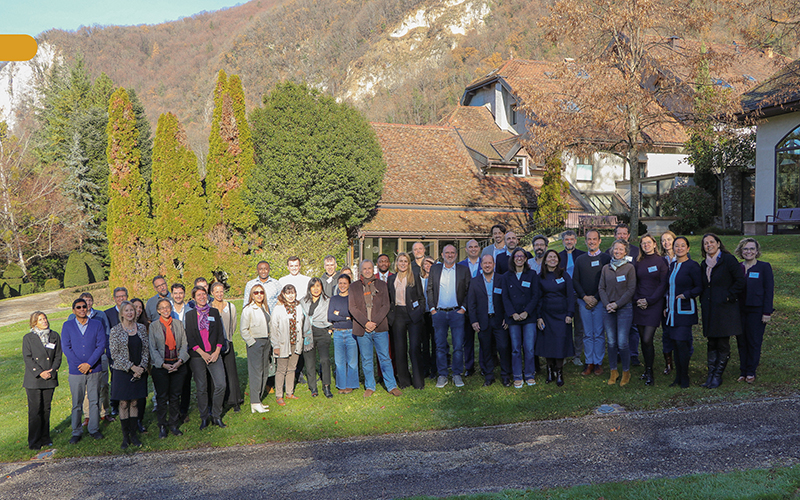
The meeting aimed to strengthen coordination and responses to the growing threat of arboviral diseases by sharing expertise, promoting dialog among stakeholders, and identifying common priorities.
The conference aimed to provide shared insights into the current epidemiological situation in terms of arboviruses in the most affected areas, while encouraging participants to exchange best practices in surveillance, vector control, and epidemic response. This collective effort was also designed to strengthen regional and international collaboration, identify research needs and priorities more effectively, and contribute to the development of integrated prevention and management strategies for arboviral diseases.
Structured around plenary sessions, round tables, and thematic workshops, the conference covered the whole spectrum of responses to arboviral diseases. Discussions centered around the experience of different countries, and addressed the impact of mosquitoes and climate change, as well as the prevention and surveillance strategies deployed in different contexts.
The conference also focused on progress and priorities involving vaccines, communication and community engagement, diagnostic tools, treatments, as well as research and clinical trials, highlighting the need for coordinated, complementary approaches.
Following the meeting, participants highlighted the quality of the exchanges: “an excellent meeting, with in-depth discussions covering all the important and critical areas.” They also praised the diversity of attendees’ backgrounds and the working atmosphere: “a better balance in the diversity of participants from different organizations and a collegiate atmosphere that encouraged discussion.”
Arboviruses, such as dengue, chikungunya, Zika, and yellow fever, currently pose a major challenge for global public health. Rapid urbanization, climate change, and increased human mobility make it easier for disease vectors to proliferate and expand geographically, exposing ever-larger populations to the risk of infection.