Context
ADVAC was created on the initiative of Dr. Charles Mérieux and Dr. Stanley Plotkin, and emerged from a shared desire to promote access to vaccination around the world, including in low-income countries. Since the first session in 2000, the course has been organized jointly by the Mérieux Foundation and the University of Geneva, with support from an international scientific committee.
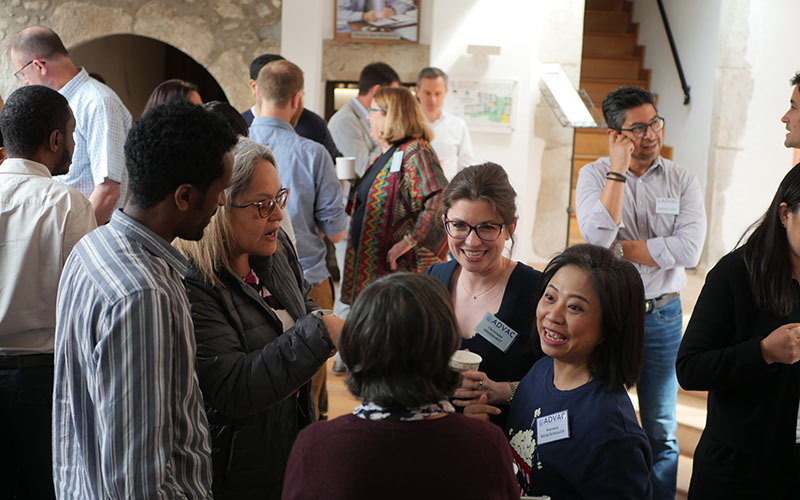
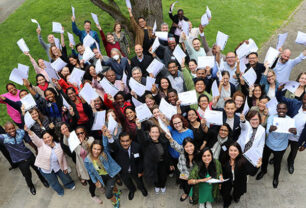
The Advanced Course in Vaccinology (ADVAC) is a two-week course for decision-makers and experts involved in the development, regulation, implementation, or assessment of vaccine policy. Organized every year at the Les Pensières Center for Global Health, the program brings together attendees from universities, governmental and non-governmental organizations, and the private sector.
Objective
The ADVAC course was designed to strengthen the scientific, strategic, and operational skills of decision-makers and experts in vaccinology. It aims to give them an in-depth understanding of the issues around vaccination in order to facilitate informed decision-making based on robust data.
Activities
The course program is developed by a scientific committee made up of representatives of key institutions in the field of global health. It is led by Dr. Philippe Duclos (former executive secretary of SAGE at the WHO) and Professor Claire-Anne Siegrist (University of Geneva), with support from scientific advisors including Dr. Stanley Plotkin and Professor Paul-Henri Lambert.
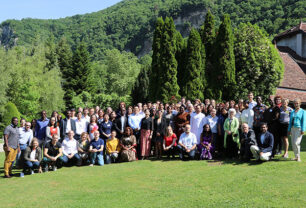
Over two weeks, about 75 participants follow a multidisciplinary program covering the whole field of vaccinology: immunology, vaccine development, clinical trials, and regulatory, economic, social, political, and ethical issues.
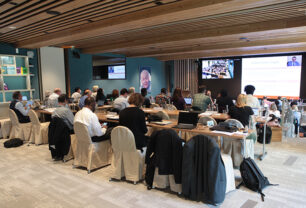
The course is delivered by over 60 international experts and involves lectures, workshops, and case studies. The educational approach emphasizes interaction, critical thinking, and the sharing of experience.
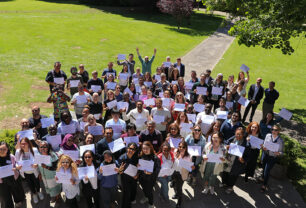
At the end of the course, the participants join an active community of over 1,200 alumni in more than 130 countries, who meet regularly at major international events to continue their discussions and collaborations.