Context
Recent epidemics have demonstrated the importance of having fast, effective, low-cost diagnostic tools in sufficient numbers to detect the pathogenic agents responsible in all populations, including the most vulnerable, improve clinical care for patients, and guarantee a healthy life for all.
It is vital to reinforce the decision-making capacity of scientists and public health policymakers, particularly in developing countries, through training and the formation of partnerships and networks.
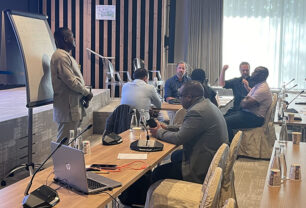
Launched in 2009, ACDx develops the knowledge and professional networks of decision-makers and scientists. This intensive one-week course gives them a global view of the latest advances in the field of diagnostics.
Objectives
The ACDx course was created in 2010 to promote the role and value of medical diagnostics in public health fields such as antimicrobial resistance, epidemics, and climate change.
Activities
This intensive week-long course is led by Dr. Joseph Tucker from the London School of Hygiene and Tropical Medicine (LSHTM) and Dr. François-Xavier Babin of the Mérieux Foundation.
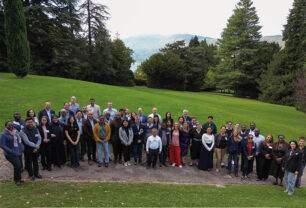
It takes place every year at the Les Pensières Center for Global Health near Annecy (France).
The course program is developed by a scientific committee made up of representatives of the following institutions: UNICEF, WHO, US Centers for Disease Control and Prevention (CDC), Africa CDC, Clinton Health Access Initiative (CHAI), Global Fund, and Foundation for Innovative New Diagnostics (FIND).
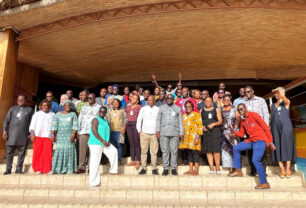
Every year, ACDx welcomes around 30 English-speaking participants from the scientific, academic, and industrial worlds and from governmental and non-governmental organizations. Some receive grants to help with the course fees, and all attendees join an active community that now consists of over 420 alumni.