Our objectives
 Adopt an integrated health approach
 The fight against infectious diseases goes beyond diagnostics and biological expertise. This is why the Mérieux Foundation adopts an integrated approach of health, addressing the social and environmental factors that contribute to infections.
Combating infectious diseases requires a holistic approach to health that considers the fulfillment of fundamental human needs. How can infections be prevented if people are unaware of the importance of handwashing? If they live miles away from the nearest healthcare center? If they are fleeing conflict? If they lack access to nutritious food or clean water?
With nearly 60 years of field experience, the Mérieux Foundation has witnessed firsthand the challenges that communities face in maintaining good health. Education, hygiene, access to food and water, and even political stability all play a critical role in the spread of diseases. This is why we are committed to an integrated approach – one that considers individuals in their entirety and tackles all obstacles to universal healthcare access.
Also known as “holistic health”, an integrated approach to health considers all factors that can influence population health, including lifestyle, environment, access to essential goods, and geopolitical context. It incorporates not only the absence of disease but also physical, mental, and social well-being, emphasizing the importance of access to essential services in achieving good health.
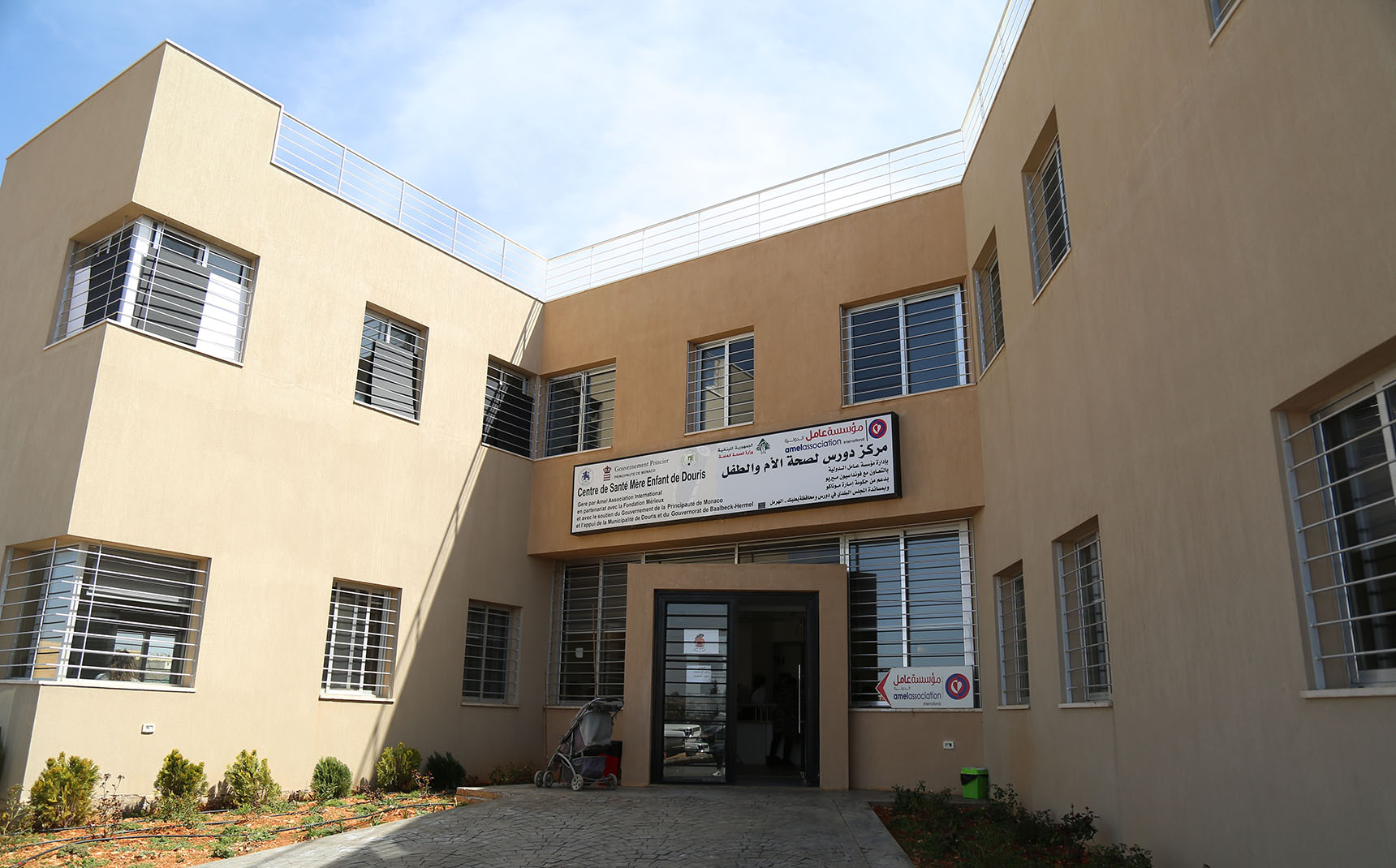
Women and children are among the most vulnerable groups facing preventable diseases and deaths in low- and middle-income countries. According to a 2022 United Nations report, a woman in sub-Saharan Africa is 130 times more likely to die from pregnancy- and childbirth-related causes than a woman in Europe or North America. Following current trends, 48 million children under five will die from preventable causes between 2020 and 2030, according to UNICEF.
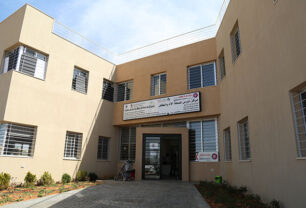
Limited access to healthcare is one of the major contributors to these statistics. To address this, the Mérieux Foundation partners with local organizations to build primary health centers tailored to the needs of mothers and children. We also work to renovate and expand existing healthcare infrastructure, particularly in remote areas or crisis-stricken countries such as Lebanon and Senegal.
These centers align with our historical mission: providing universal access to healthcare. They offer specialized services that are often lacking in these regions, such as gynecology, obstetrics, and psychological support.
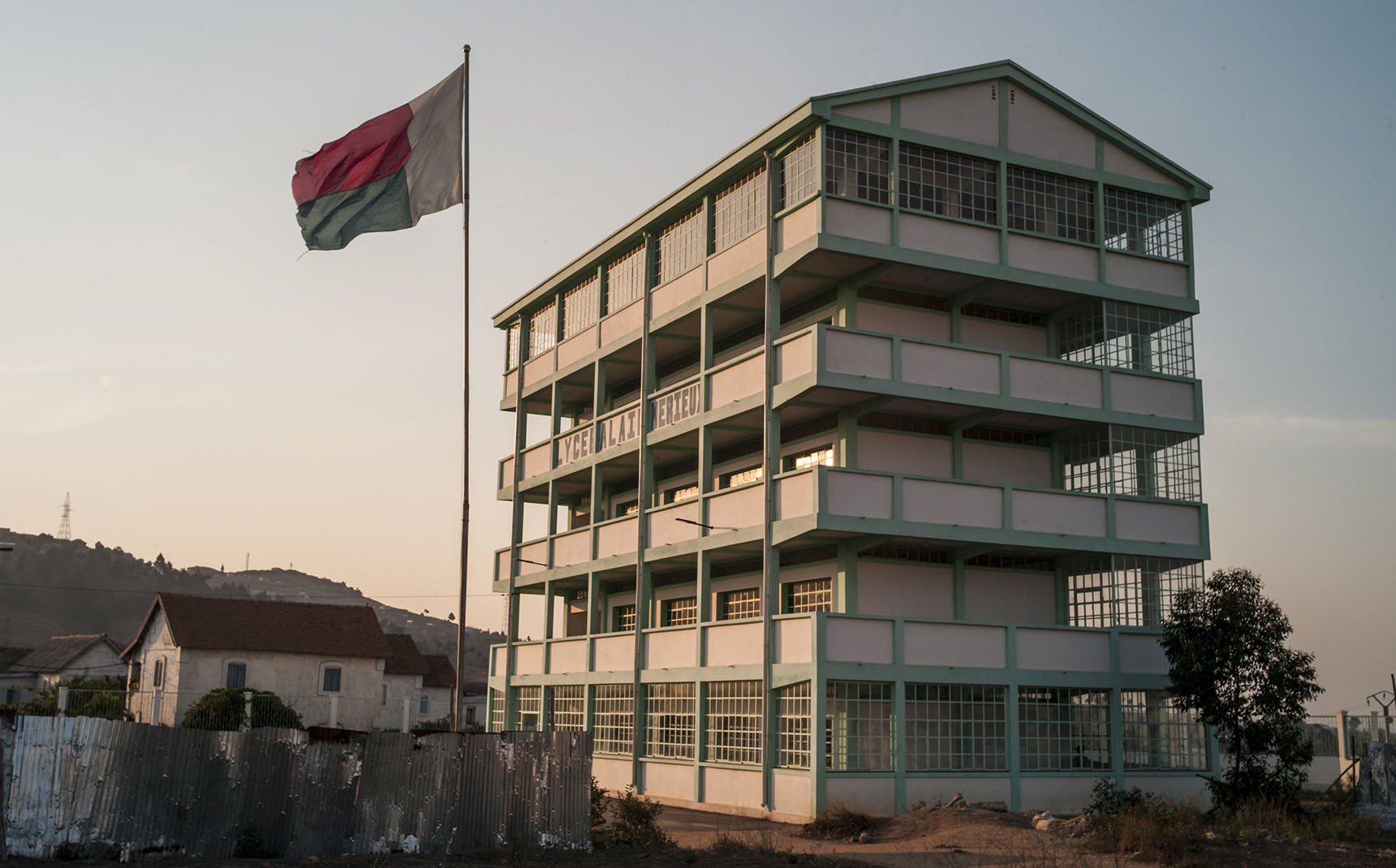
The Mérieux Foundation recognizes the link between poverty and disease: the lower the income, the higher the risk of infection. However, improving access to education creates pathways to stable employment and income, fostering a virtuous cycle of better health outcomes. To contribute to this cycle, the Foundation supports local organizations working to enhance access to education at all levels, from kindergarten to higher education.
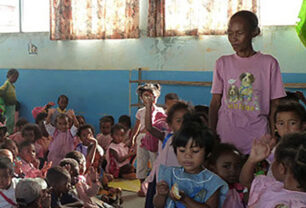
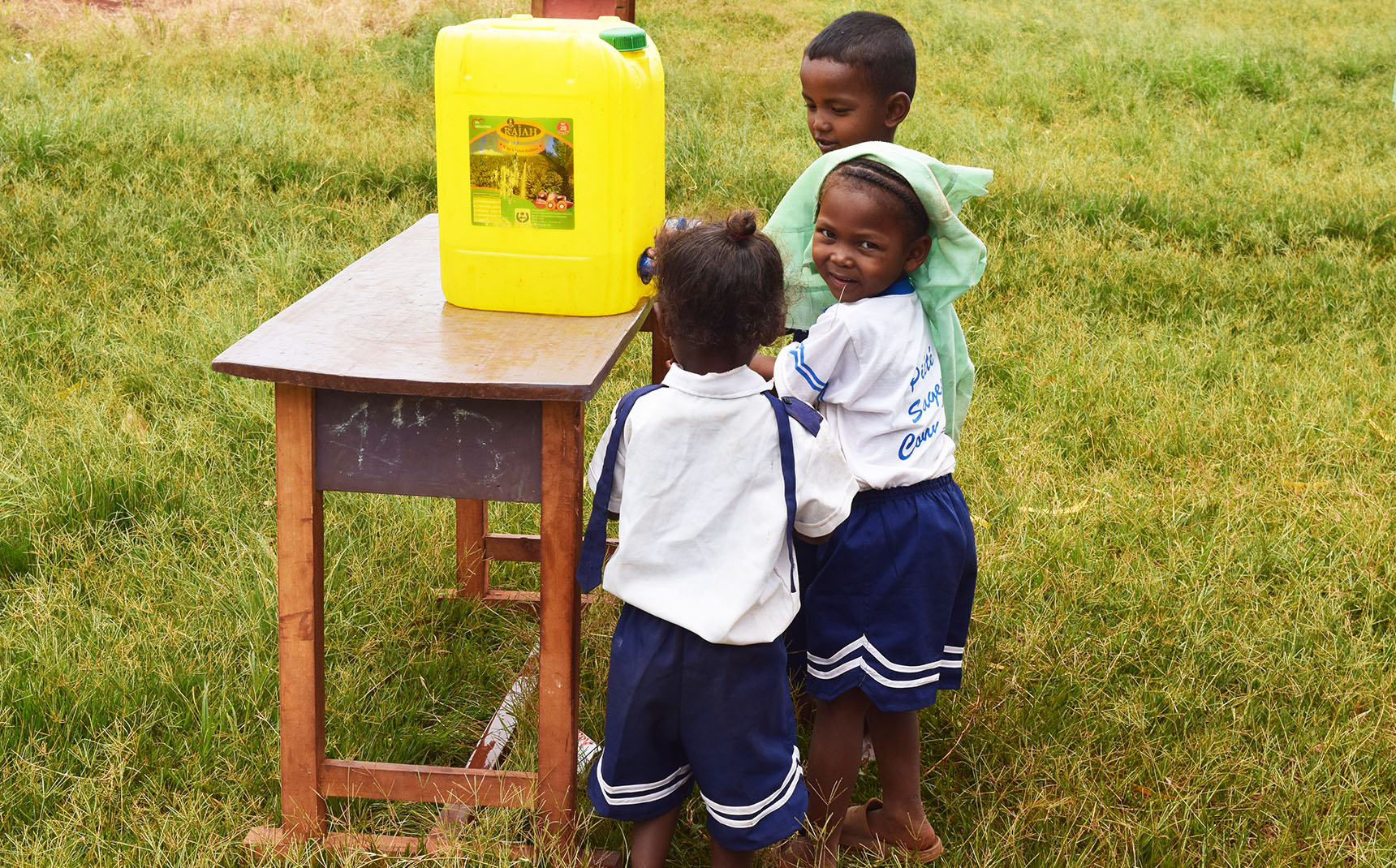
We have helped build a higher education language school in Madagascar, supported a university center in Cambodia, and financed educational support programs for street children through the Samusocial in Burkina Faso, Mali, and Senegal. To ensure that children learn essential infection prevention practices, we also support health education programs in schools and through partner organizations. One example is the WASH education kits, distributed in Madagascar since 2017 to raise awareness about handwashing and curb the spread of deadly diarrheal diseases.
Access to essential goods and services such as hygiene, food, and shelter is a cornerstone of good health and a key factor in preventing infectious diseases. These needs become even more critical during emergency situations, including armed conflicts and natural disasters, which have intensified due to climate change.
As these crises escalate and force massive population displacements, the Mérieux Foundation supports local organizations that specialize in emergency response. Working closely with partners on the ground, we have built long-standing collaborations with organizations such as Samusocial International in Africa, Enfants du Mékong in Asia, and Akamasoa in Madagascar. Whether responding to extreme weather events in Madagascar or assisting refugees, our actions for infectious disease prevention and global health are tailored to each country’s specific challenges.
To extend its impact, the Mérieux Foundation runs a Small Grants Program, providing annual funding of €50,000 to support small, high-impact organizations working in alignment with its mission. Each grant awards up to €5,000 to grassroots initiatives that improve health, hygiene, and education in vulnerable communities.
Mothers and Children healthcare centers or maternity wards built or under construction across 3 countries
medical, social and educational outreach patrols for children living on the streets of Bamako, Ouagadougou and Dakar in 2022, as part of our partnership with Samusocial
children were made aware of the importance of hygiene rules to prevent the spread of diseases in Madagascar