
The Foundation
The Mérieux Foundation combats infectious diseases alongside vulnerable populations. Its mission is to enhance diagnostic and surveillance capacities of local healthcare actors, advance public health systems in affected countries, and promote a holistic global health approach aligned with the Sustainable Development Goals.
The Mérieux Foundation operates in more than 25 low- and middle-income countries where healthcare needs are most critical, and targets regions that are particularly affected by geopolitical, demographic, and economic crises, as well as climate change. These factors contribute to the emergence or re-emergence of pathogens and the spread of infectious diseases, while resources to combat them remain scarce. To date, pneumonia remains the leading cause of child mortality worldwide, with 99% of deaths occurring in resource-limited countries. Tuberculosis continues to claim over a million lives annually, primarily in low- and middle-income countries.
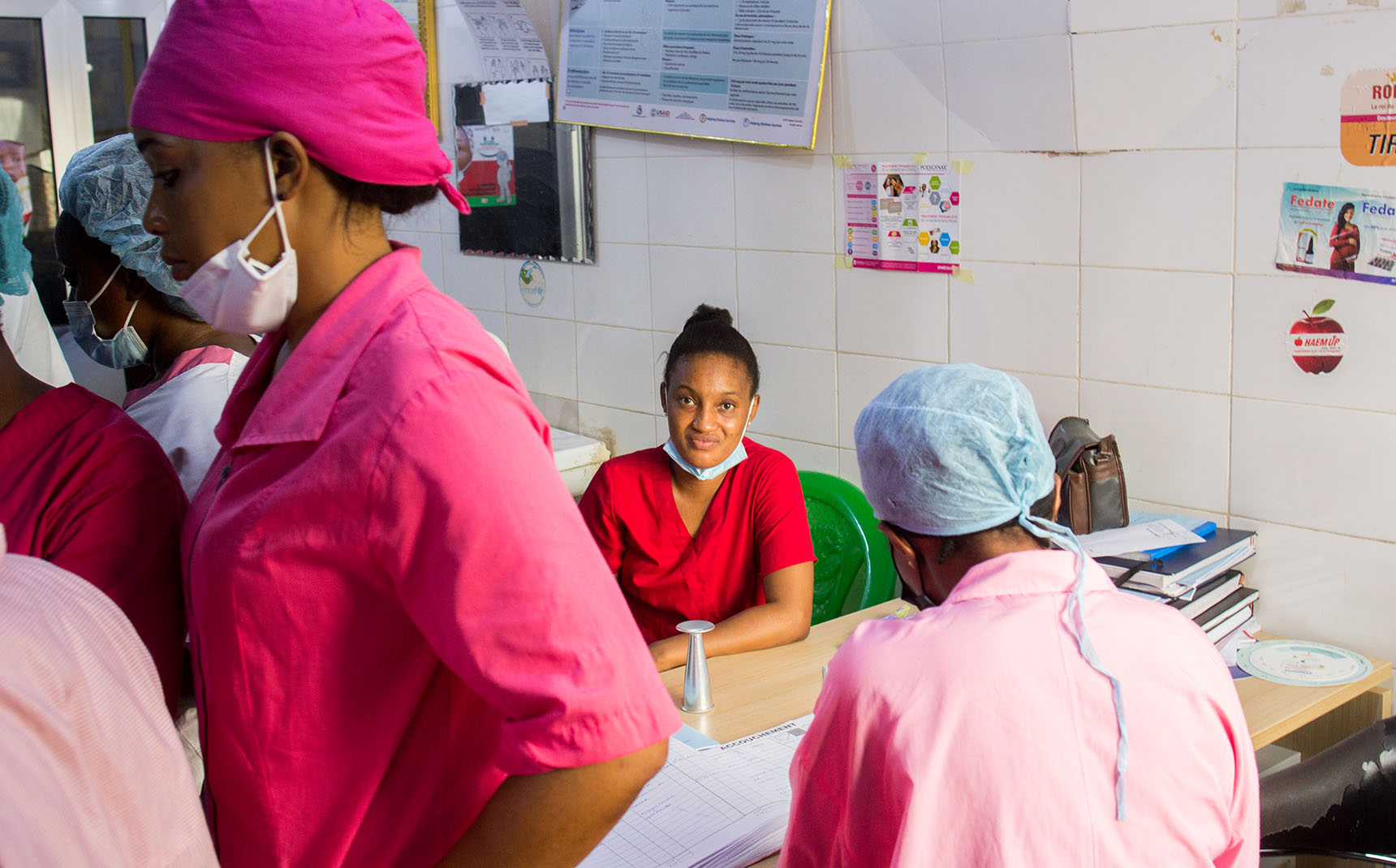
Tuberculosis and pneumonia are just two examples of the infectious diseases that the Mérieux Foundation has been combating for nearly 60 years. We specifically target vulnerable populations, including isolated individuals, displaced people, or those living in humanitarian, security, or health crises. We fight to improve access to effective and adapted diagnostics and care for all.
Our efforts focus on addressing tuberculosis, antimicrobial resistance, acute respiratory infections, and emerging pathogens. Our mission is to enhance diagnosis, treatment, surveillance, and response to epidemics, while strengthening healthcare systems and living conditions to efficiently curb disease spread.



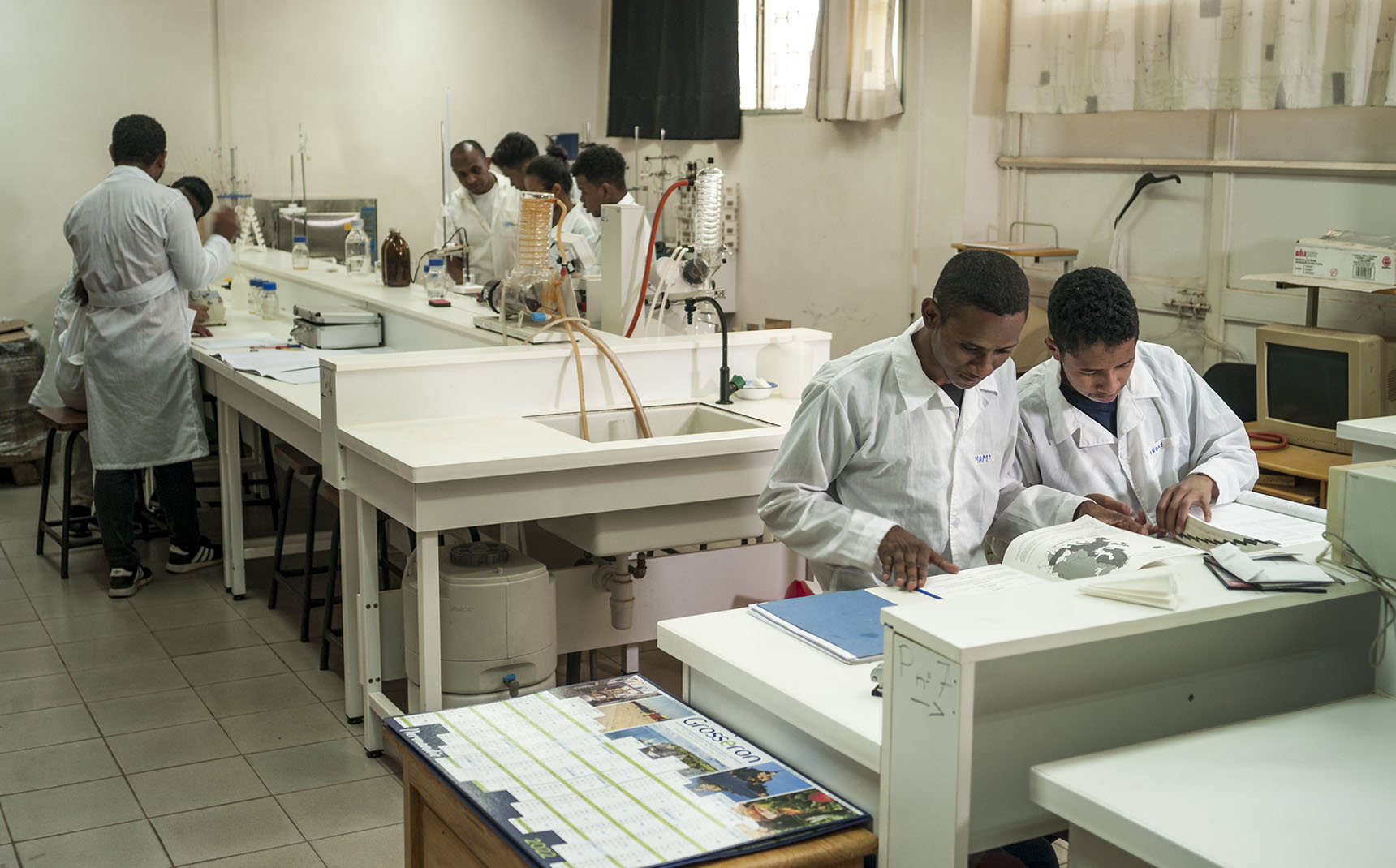
In 1974, the Foundation played a key role in a massive meningitis vaccination campaign, reaching 100 million people in just 100 days. Mirroring this landmark campaign, our work today remains characterized by speed, efficiency, and adaptability to specific needs. We establish partnerships with national actors and prioritize local ownership to ensure long-term impact and targeted action. We foster healthcare transformation by setting ambitious goals and leveraging key strategies to improve global health in a lasting way.
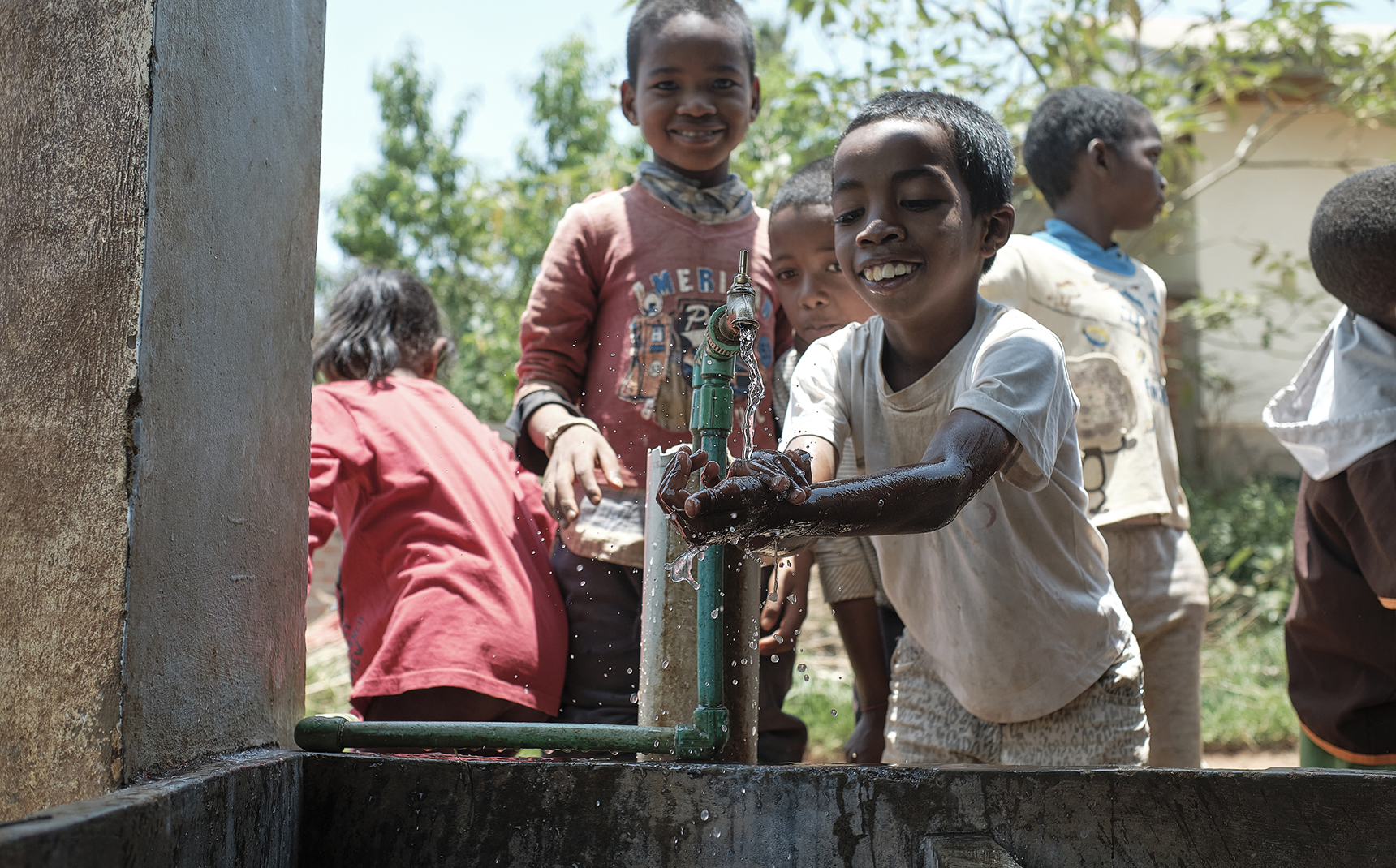
The spread of infectious diseases is exacerbated by poor healthcare access, lack of education, and inadequate nutrition. This is why we advocate for an integrated approach of health, expanding our work beyond infectious disease expertise to address factors that directly impact living and health conditions. Women and children, who are most affected in times of crisis, remain our top priority.
In 2022
people died from tuberculosis
of tuberculosis cases and deaths occur in low- or middle-income countries
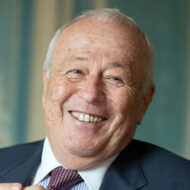
“We intend to carry out our mission through a comprehensive health approach that, beyond medical care, takes into account more broadly nutrition, water and environmental quality and education.”
Alain Mérieux
President of the Mérieux Foundation