Our objectives
 Improving diagnosis & surveillance
 To combat infectious diseases, the Mérieux Foundation supports low- and middle-income countries in enhancing their diagnostic and surveillance capacities.
We operate at all levels to boost service delivery for populations, rehabilitating medical biology laboratories and integrating them in tight networks to reinforce healthcare systems. We thus contribute to improving global health.

Biological diagnosis is the first essential step in establishing and monitoring appropriate care pathways. It enables early detection of certain diseases and ensures proper follow-up of the right treatments. Disease surveillance, on the other hand, helps prevent, monitor, and control the emergence of epidemics.
These two crucial activities in the fight against infectious diseases and antimicrobial resistance require well-equipped medical biology laboratories and trained personnel. However, low- and middle-income countries face a shortage of diagnostic laboratories, outdated facilities, and an overall lack of resources that directly impact population health. The WHO estimates that approximately one-third of tuberculosis cases go undiagnosed due to lack of access to testing.

Aware of these challenges, the Mérieux Foundation supports countries in strengthening medical biology laboratories. Our objective is to promote universal access to quality diagnosis and the implementation of robust surveillance systems. To achieve this, we intervene at the laboratory level by renovating or establishing the necessary infrastructure, as well as at the national and regional levels by assisting in the implementation of effective laboratory networks and systems.
We adapt to specific needs on the ground and provide targeted support in various forms-expertise reinforcement, equipment supply, funding, and technical support. We collaborate with local authorities, governments, national and international organizations, both private and public, bringing together health professionals, biologists, and policymakers on our projects.

Our approach aims to foster the autonomy of laboratories in their mission to serve public health. We rehabilitate hospital laboratories with broad patient access to maximize their impact on public health. These laboratories are equipped with modern tools tailored to local conditions.
By listening to the specific needs identified by each country, we build and transfer state-of-the-art laboratories to local stakeholders. These laboratories comply with international standards, maximizing testing capacities and allowing access to diagnostic tests that were previously unavailable.
The development of laboratories necessarily involves local ownership of knowledge and expertise. This is why training is an essential component of all our projects. Training covers equipment handling, result analysis, biosafety in biological sample and waste management, stock management, communication, and leadership. Our training programs are crucial to ensuring result reliability and personnel safety.
Whether theoretical or practical, technical or cross-disciplinary, short-term or part of long-term support, and aimed at prescribers, laboratory technicians, or medical biologists, we address all types of training needs identified on the ground. Thanks to our network of internal and external experts, we cover key topics across the different countries where we operate.
The Mérieux Foundation ensures the development of online tools to make its training portfolio accessible to anyone who needs it, regardless of their country of origin. Digital learning resources include e-learning modules, MOOCs, a YouTube channel, and an online course platform.
The Mérieux Foundation is one of the entities accredited by the Global Fund for laboratory capacity building.
The long-term autonomy, resilience, and reliability of laboratories depend on efficient daily management. To this end, we support laboratories in implementing quality management systems and Laboratory Information Systems (LIS). These tools help automate data entry, facilitate organization and reporting, and support clinical decision-making.
Some medical biology analyses are particularly complex and still underdeveloped in many laboratories in our intervention areas, such as viral load measurement or antimicrobial resistance testing. Depending on the needs expressed by national authorities, we can set up these essential analyses to improve public health.
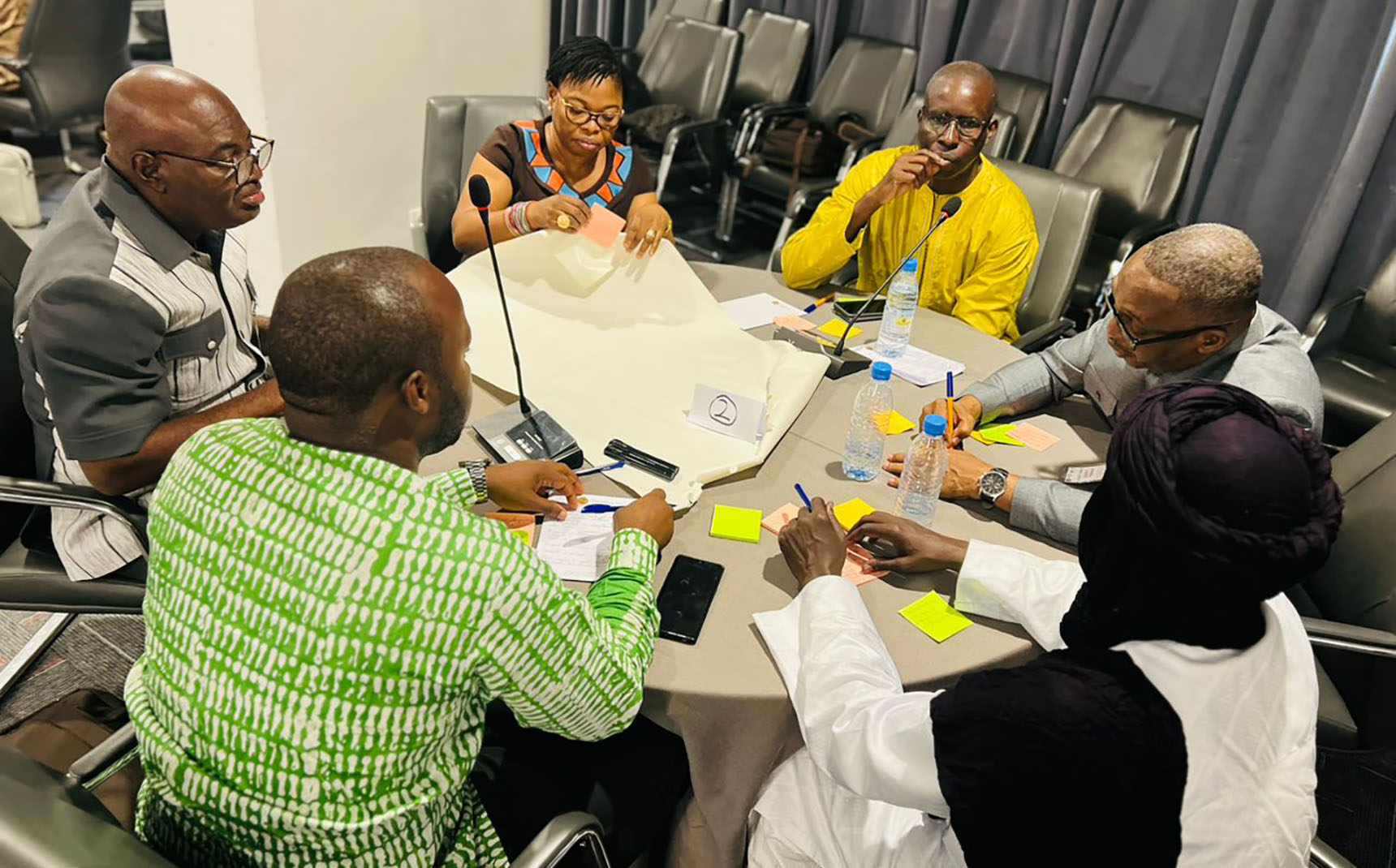
Finally, we promote laboratory networking as a key factor in enhancing health system performance. By sharing resources, experiences, and procedures, networked laboratories develop new expertise and can provide coordinated responses to health emergencies.
Establishing nationwide laboratory systems is crucial to sustainably improving access to diagnostics, data collection for surveillance, and overall public health.
To optimize our interventions, we support public authorities from the initial assessment phase of their needs. Our experts can identify areas for improvement based on a detailed review of selected laboratories. This step allows us to develop an improvement plan and define a new laboratory policy. Supporting governance in this way helps coordinate actions at the regional or national level and strengthens the capacities of different laboratories.
Well-equipped and well-managed laboratories working together are a vital tool for improving diagnosis and surveillance of infectious diseases and antimicrobial resistance, ultimately benefiting public health.
laboratories have been renovated and equipped by the Mérieux Foundation since 2005
laboratory technicians have been trained through the Mérieux Foundation's BAMS program in Mali and Haiti. The program is now integrated into the national education systems of these countries
The Mérieux Foundation is one of
entities approved by the Global Fund for laboratory capacity building