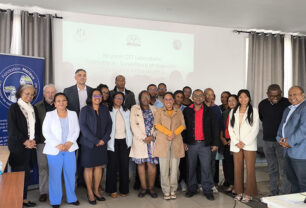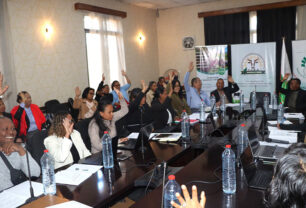
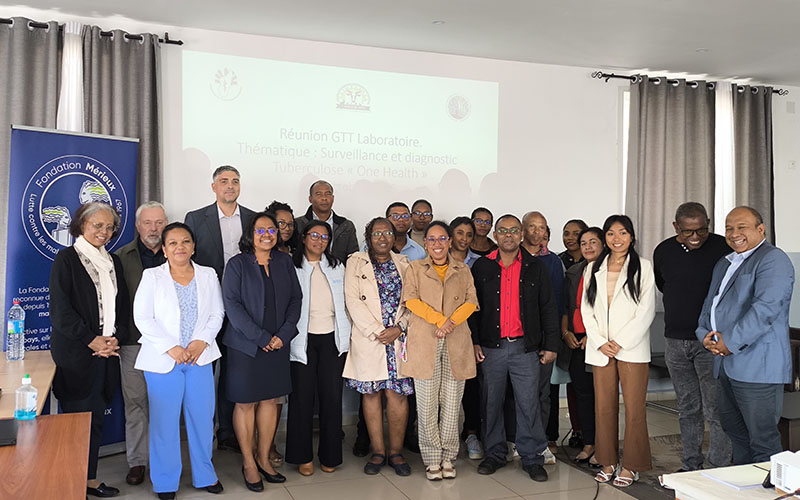
The meeting was a key step in reinforcing the fight against tuberculosis, promoting an integrated approach bringing together the human, animal, and environmental health sectors. The ambition is to build a national system better able to detect, understand, and monitor the circulation of mycobacteria, in order to inform public health decision-making and strengthen the country’s health resilience.
A coordinated response to a major public health priority
Despite the progress achieved, Madagascar is still heavily affected by tuberculosis. The challenges associated with early diagnosis, the detection of extrapulmonary and pediatric forms, and the shortage of data on animal and environmental tuberculosis underline the need for a multi-sector approach.
The discussions identified several strategic priorities: strengthening the capacity of human and veterinary laboratories, improving integrated surveillance in priority regions, developing interoperable information systems, sharing data between sectors, and reinforcing operational research.
A road map for the coming years
Attendees at the meeting approved the outlines of a national road map whose aims include:
- Developing a national protocol for integrated, multi-sector tuberculosis surveillance: in the animal sector, the road map identifies the priorities of strengthening surveillance in abattoirs and livestock screening in regions with potential for exports, and, in the environmental sector, developing a research protocol with a view to establishing the environmental tuberculosis surveillance system;
- Strengthening diagnostic capacity, particularly in molecular biology and sequencing;
- Improving the integration and use of surveillance data;
- Promoting operational research;
- Consolidating mechanisms for coordination between national institutions and technical and financial partners.
Ultimately, this approach should lead to the availability of more comprehensive data about the circulation of tuberculosis between humans, animals and the environment, while improving the country’s preparedness for dealing with emerging health threats.
The Mérieux Foundation’s expertise serving innovation
Building on the success of the APRECIT, APRECIT BIS and LAM4RO projects, the Mérieux Foundation has been helping to strengthen laboratory and surveillance capacity in Madagascar for several years.
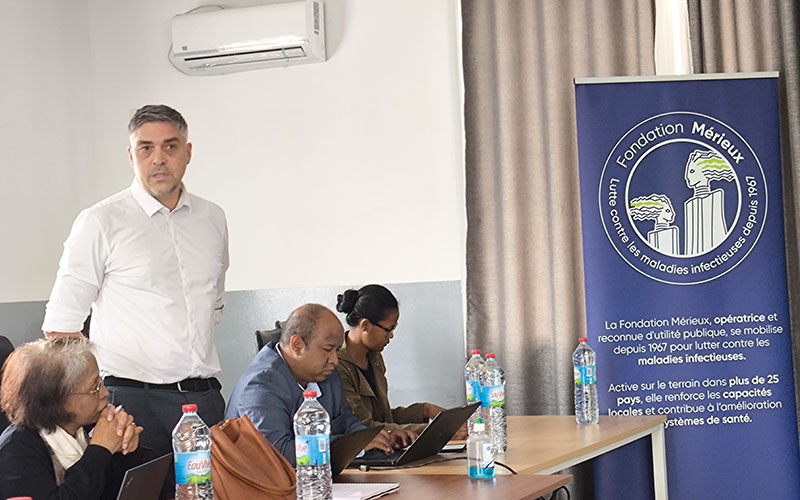
During the workshop, Dr. Jonathan Hoffmann, Director of Knowledge Sharing and tuberculosis program lead at the Mérieux Foundation, presented the current challenges in diagnosing tuberculosis, along with innovations that could improve early screening and patient referral.
“The challenge is not just about confirming the disease when it is already advanced. It’s also about better identifying people at risk, detecting early forms, and giving health professionals simple tools to help them make the right decisions at the right time,” Jonathan Hoffmann explained.
A collective commitment to a long-term One Health vision
Chaired by Dr. Razafimbia Vaoary, Coordinator of the One Health Platform, the event led to consensus about the priority actions to be taken.
“This workshop represents an important step for Madagascar in strengthening the fight against tuberculosis using the One Health approach. It has brought together players in human, animal, and environmental health with a common vision, to identify concrete measures for improving surveillance, diagnosis, and data sharing. The road map we have prepared now provides a strategic framework for reinforcing national capacity, producing conclusive data, and supporting evidence-based decision-making for the benefit of public health,” she declared.
Bringing together public institutions, the scientific community, technical and financial partners, and development agencies, this initiative paves the way for a national One Health surveillance ecosystem able to improve the fight against tuberculosis for the long term and serve as a model for managing future health threats in Madagascar.