
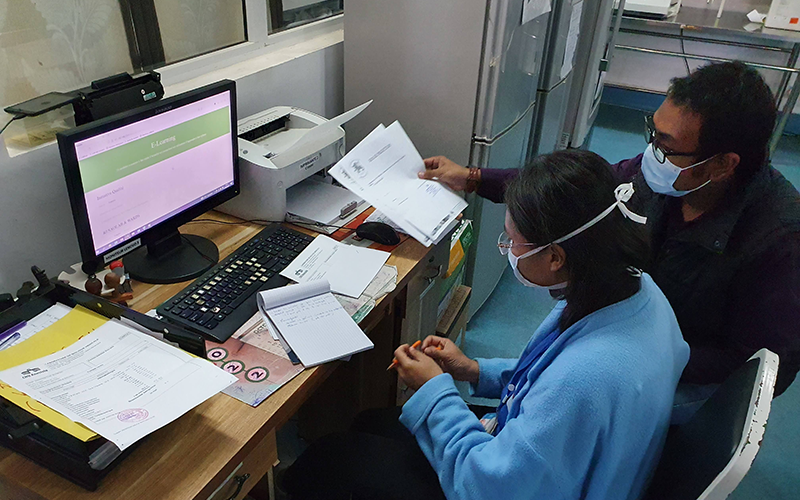
This is a new milestone for LabBook, the software launched by the Mérieux Foundation for biomedical laboratories, particularly in countries with limited resources. The system helps them improve their data management and control, which is essential to ensure high-quality, reliable analyses.
Version 3.6 was released in February 2026 to further improve the software’s usability, security, and automated reporting. Key enhancements include a new navigation menu, a new DHIS2 feature to calculate the required indicators and streamline exports, an updated patient record with longitudinal history, the secure transmission of results directly to patients via email or WhatsApp, support for the HTTPS protocol, automated report generation and distribution via the internal messaging module, and an audit function to strengthen traceability and accountability.
LabBook 3.6 also includes LabBook Connect, the LabBook middleware that enables connectivity between the LIMS and the clinical laboratory’s analyzers. This connectivity is based on the Decoupled Analyzer Interface System (DAIS) initiative from the OpenHIE Laboratory Information Systems community. LabBook Connect aims to be compatible with the DAIS platform as far as possible and to share the work of integrating analyzers with the whole community in order to reduce duplication and accelerate access to interoperable digital laboratory solutions in low- and middle-income countries.
Free, open-source software accessible everywhere, for everyone.
Based on Ubuntu and programmed in Python, LabBook runs on standard computers with no need for expensive infrastructure, while ensuring robust data protection through local hosting and automated encrypted backups.
Since LabBook 3 was launched in 2020, with financial support from the French development agency (AFD) and software development from Æglé, the solution has been deployed in 286 laboratories in 10 African countries through projects supported by the Mérieux Foundation. This does not include installations outside these supported programs, as LabBook is free for anyone to download and install.
As well as common laboratory workflows (patient registration, test requests, entry and validation of results, billing, barcodes, archiving and quality management functions), LabBook can feed data back to health authorities, playing a role in infectious disease surveillance. It supports export in DHIS2 format and is compatible with national DHIS2 deployments, enabling laboratories to contribute to surveillance indicators and aggregated reports. The LIS also supports WHONET-compatible exports for antimicrobial resistance surveillance, facilitating standardized data exchange and subsequent analysis.