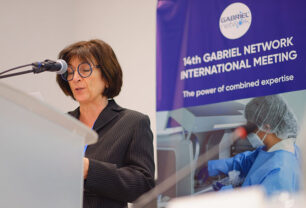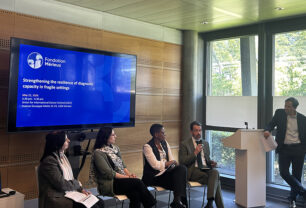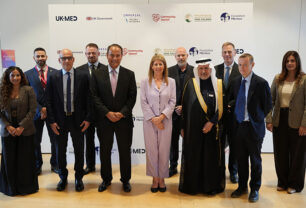
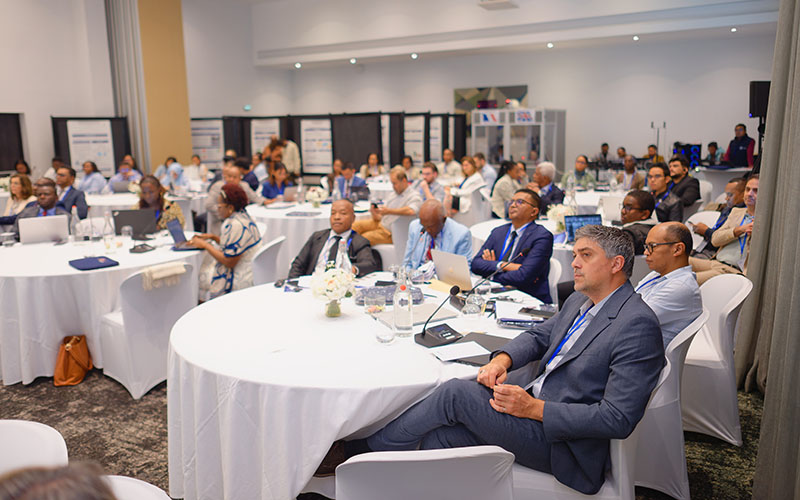
From Wednesday to Friday, the Madagascan capital became a forum for international scientific research. Organized every 18 months, this meeting brought together more than 80 researchers from 16 countries this year, sharing their collaborative work and preparing for the network’s future projects. The event was about more than just presenting results; the aim was to compare approaches and build shared responses to pathologies that continue to challenge health systems, particularly in countries with limited resources.
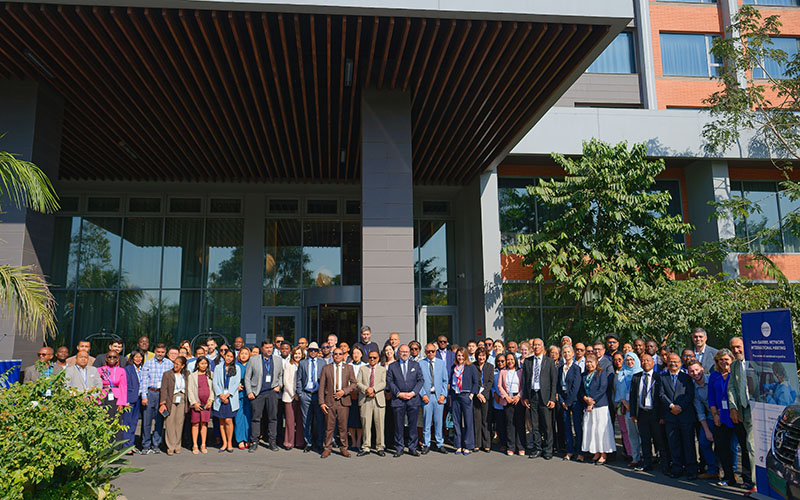
The opening ceremony was attended by several important figures, including Arnaud Guillois, France’s ambassador to Madagascar, A. Désiré Rakotoarimino, Director General of Preventive Medicine, Prof. Arsène Ratsimbasoa, Director General of Scientific Research, Prof. Tojonirina Andriambinintsoa, Coordinator General of the University of Antananarivo, Prof. Luc Samison, Director of the Charles Mérieux Center for Infectious Disease in Madagascar, and Dorothée Lintner, Director General of the Mérieux Foundation.
A first day devoted to neglected tropical diseases
The first day of this latest meeting was dedicated to a symposium on neglected tropical diseases, divided into four sessions:
- Diagnostic innovations;
- Therapeutic innovations;
- Public health strategies;
- Climate change and neglected tropical diseases.
These themes covered diseases such as leprosy and bilharzia, rarely discussed and often forgotten, but still very present. Prof. Luc Samison, director of the Charles Mérieux Center for Infectious Disease, reminded delegates that Madagascar still has around 1,750 new cases of leprosy every year, “while it has disappeared elsewhere.” He underlined the need for continued improvements in diagnosis, prevention, and treatment for these diseases.
Two days of discussions between network members
The second and third days, reserved for GABRIEL network members, were devoted to the major scientific themes studied within the network: tuberculosis, acute respiratory illnesses, emerging pathogens, and antimicrobial resistance (AMR). A poster session encouraged collaboration and discussion between participants, while workshops invited three working groups to develop proposals for collaborative projects on AMR and the One Health approach.
A network focused on handing on the scientific baton
As well as discussions between laboratories, the event highlighted an essential dimension for the future: knowledge transfer. The GABRIEL network devotes significant effort to training and support for young researchers.
This year, the GABRIEL young researchers’ prize, set up to support the career development of promising young scientists in the network, was awarded to two young scientists out of the five candidates shortlisted for the quality of their work. The two winners are Étienne Yuh Jam from the Centre Pasteur in Cameroon, for his research to improve the detection of latent tuberculosis and prognosis prediction, and Victor Cabelho Passarelli from USP in Brazil, for his work on antimicrobial resistance in Mycoplasma genitalium.
For Florence Pradel, who coordinates the antimicrobial resistance (AMR) unit and the GABRIEL network at the Mérieux Foundation, this initiative is more than just a reward: it is part of a long-term approach to strengthen collaborative research and nurture a new generation of scientists able to respond to global health challenges.
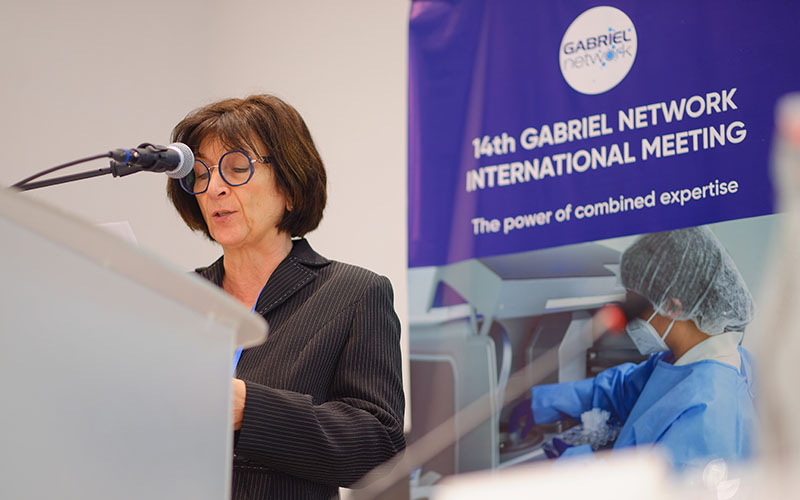
Photo credit: Tsiory